


The link between digital culture and human emotions is presented in the Kiss in Budapest pavilion at the London Design Biennale, where Hungary is represented for the first time by the Hungarian Fashion and Design Agency.
From Wednesday to 23 September, designers and curators from 40 countries will gather at Somerset House to show how design affects people's everyday lives, the agency told MTI.
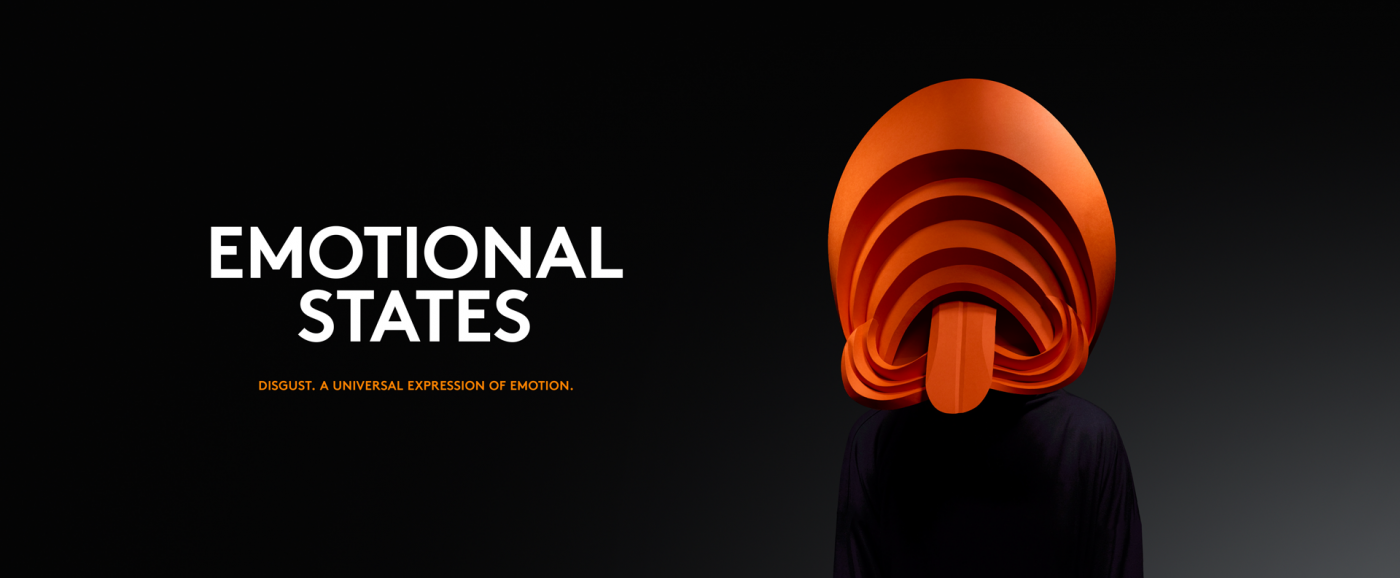
When creating their own pavilions, the participating countries focused on this year's central theme of the biennial, the seven basic emotional states.
The Hungarian installation team was inspired by growing social alienation, lack of touch and intimacy in human relationships. While day-to-day technology has made communication easier and faster, it can't be a substitute for real-life moments. The installation plays with this ambiguity, juxtaposing seemingly contradictory elements such as heritage and contemporary design, intimacy and distance.
The couples enter the installation from the opposite side, where the pavilion equipped with sensors, LED displays and cameras recognizes the moment when they kiss each other. Those who are outside can watch the couples on a large LED display as they meet each other and then kiss in front of the sights of Budapest. The result is a virtual postcard: The couple's first kiss in Budapest.
The aim of the Hungarian Fashion and Design Agency is to strengthen the image of the country through the design and fashion industry, as well as to increase exports, strengthen the Hungarian manufacturing background and develop creative and professional knowledge with tradition. It also pays special attention to effective professional coordination between Hungarian and international actors in the design and fashion industry.
Home | London Design Biennale 2018
In response to theme Emotional States, participants from six continents are exhibiting engaging and interactive design installations across Somerset House. In an exhibition of outstanding ideas and creativity, international design teams are illustrating how design can challenge, delight, educate and surprise.


