What lighting trends are expected in 2026 — especially in interior design and interior design, where function and aesthetics are closely intertwined.
1. Warm, cozy light and mood lighting
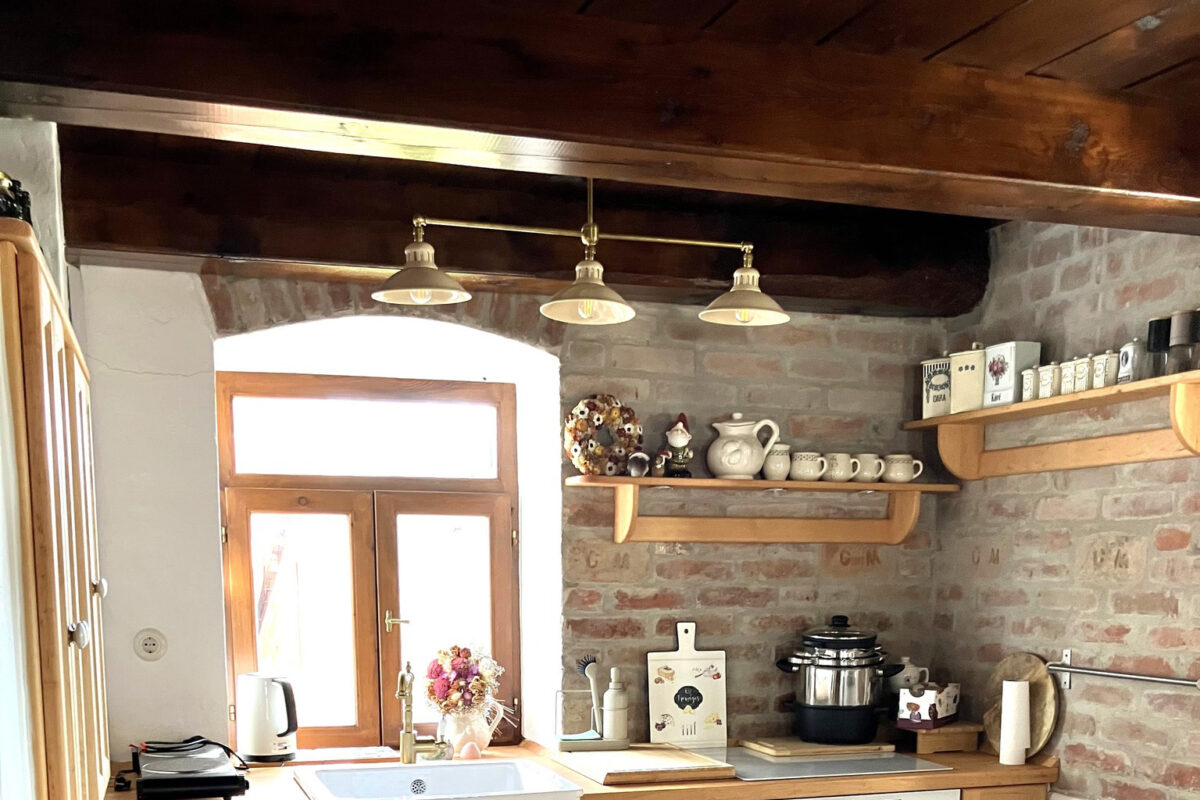
In 2026, the trend is clearly shifting towards warm, softly diffused light. Cold, clinical lighting has gone out of fashion; instead, it is dominated by friendly LED tones around 2700 K, textile and milk glass domes that reduce glare and hard shadows. This style creates a more cosy, relaxing atmosphere – especially in the living room, bedroom and reading corners.
2. Materials and surfaces: natural and textured
Lighting is not only a light source – it also goes in a highly organic direction when using materials:
wood, rattan, stone, textile and ceramics details, mixed materials: metal + wood, metal + textile, glass + natural textures, matte or handmade surfaces, not the shiny high-gloss.
This trend reflects the desire for lighting to ‘feed’ the interior and not just illuminate it.
3. Organic forms and sculptural siluettes
The 2026 lighting moves towards sculpture-like, sophisticated shapes:
curved, liquid lines, asymmetrical, biomorphic or ‘unique per specimen’ pieces, floating spheres, branch-like structures, sculptural details.
These luminaires not only perform a function, but become focal points for interior design.
4. Warm metals and soft metallic surfaces
‘Cold’ black and chrome lighting is replaced by softer, warmer metallic finishes:
copper, bronze, champagne hue, textured or hand-painted surfaces, graphite or black bronze rather than black.
This use of metal gives the space depth and visual richness.
5. Layered lighting
A single ceiling lamp is no longer enough: trend supports layered lighting:
general, ambient light, task and reading lamps, accent and decor lighting.
This approach allows for more flexible light-mood settings.
6. Hidden and Indirect Lights
The need for hidden lighting continues to increase:
LED strips hidden under shelves, ceiling recessed lights, indirect lights behind a mirror or furniture.
This technique provides a minimalist yet elegant effect and reduces direct glare.
7. Customizability and smart lighting
The spread of tuneable and smart LED systems continues:
dynamic control of light temperature, timed programmes (e.g. morning ‘awakening’, evening relax), mobile or voice control.
This trend is strongly linked to human-centric lighting concepts.
8. Trends that are disappearing
Some previously popular styles are losing their relevance, such as:
visible filament lamps in an excessively ‘Edison’ style, too simple LED-ring models in weight, lamps of an excessively industrial, raw design of a functional nature.
Lighting in 2026:
creates a mood, not only gives light, material and form become an integral part of the design language, it is customizable, connects to living spaces with smart control, builds on natural and tangible textures, while remaining minimalist and modern.


