
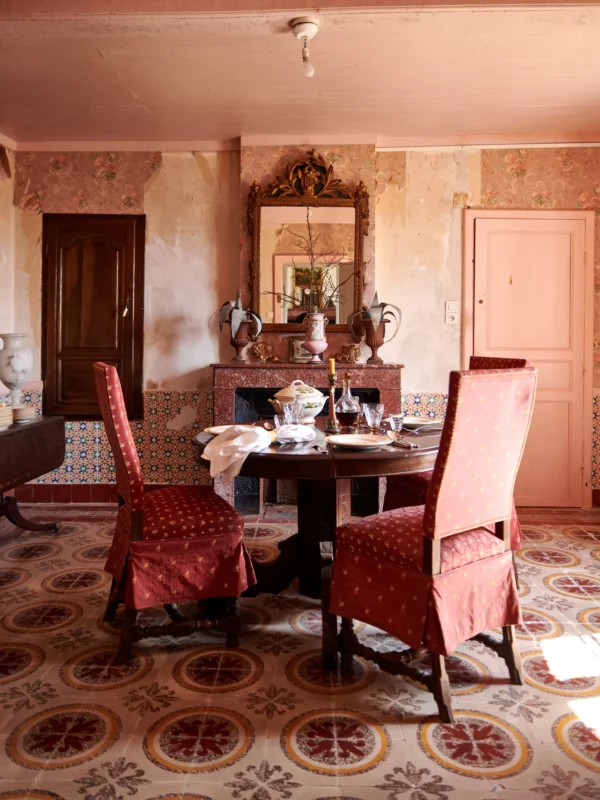
If it's done well, an interior that leans right toward the degraded state can be incredibly attractive. But as designer Brandon Schubert explains, worn can't exist without chic.
The term ‘shabby chic’ is, of course, an oxymoron. And that's always been the point. The words first appeared in an American magazine around the turn of the 20th century, describing something that, contrary to all expectations, was in an attractive – even fashionable – state. Something we shouldn't like, but somehow it is. The term entered the language of interior design in the 1980s, when it was associated with the tired grandeur of English country houses: worn carpets, faded chintz and eclectic collections. By themselves? They're not necessarily attractive. But for generations they become incredibly satisfying when inserted into a tortuous but beautiful composition. The contradiction in the term makes the term ‘shabby chic’ so difficult. Because shabby is easy. It's not chic.
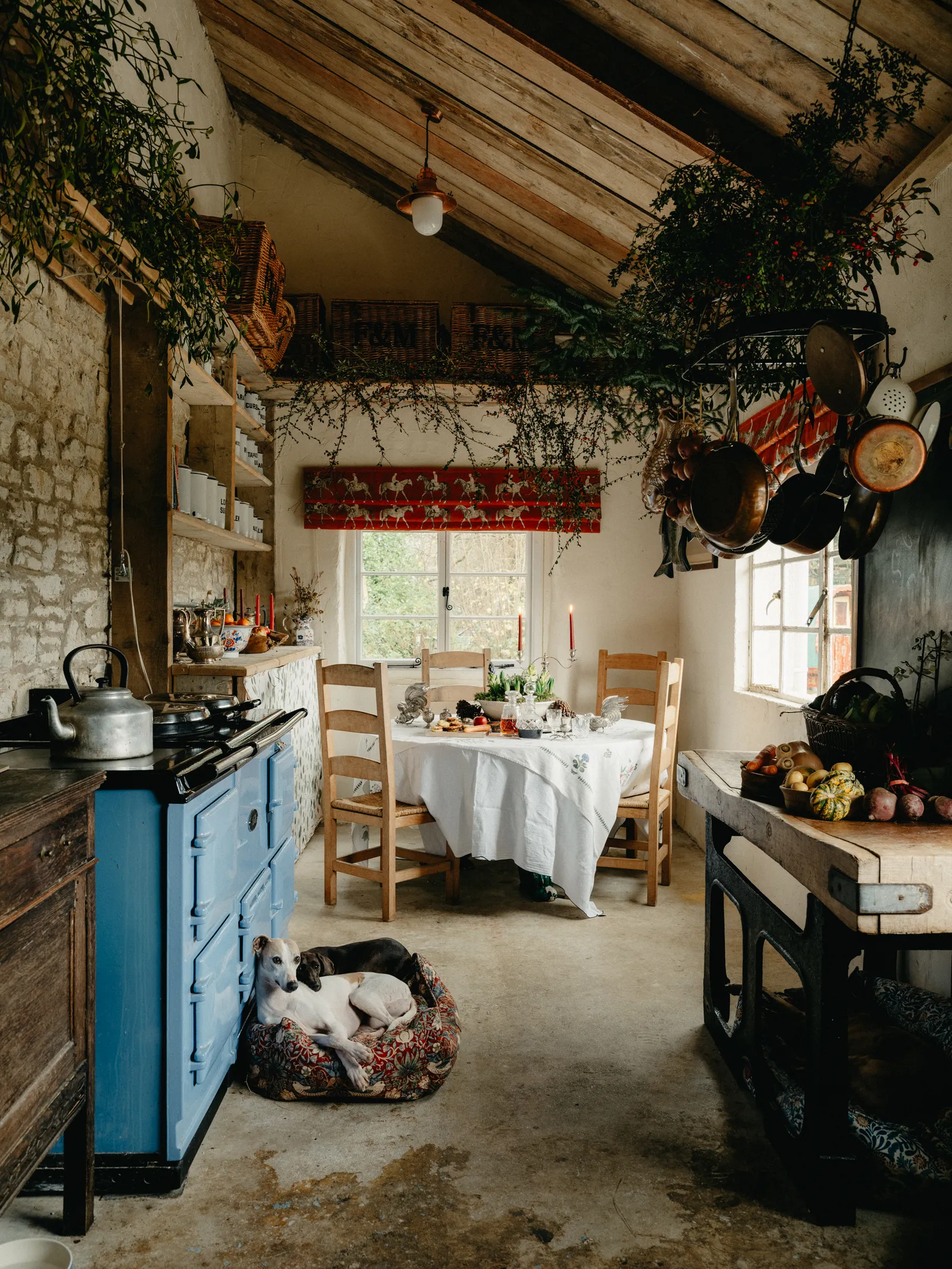
That's what I was thinking recently about some of my close friends. They rented a country house for years, which I think was the pinnacle of shabby chic. Nothing was too perfect, but everything was perfect. All in all, this home for me embodied a modest ease. We have visited them many times and always appreciated the pleasant, calm version of rural life. But in the months leading up to the end of their lease, I noticed a change. Maintenance work was quietly halted. Decorative repairs are missing. The furniture was unrepaired. And why not, after all? When the clock is just before the date of departure, why waste time and money fixing things?
Thus the painted walls slipped from the beautifully worn to the worn to the bare and decayed condition. The chairs swam along the line from worn to ragged, and the carpets were no longer reversible. On one of our last visits, I realized that the house I loved had become something else. It wasn't that she fell apart, it was that they stopped taking care of her. And the moment they stopped, the moment their energy ceased to flow into their homes, the ‘cheeky’ vanished, leaving only the worn out.
I struggle with the same balance in my life. We moved into a new house at the beginning of the year and, for various reasons, we decided to postpone the major renovation of the house that he so desperately needed. We did one or two things – we painted the tobacco-stained walls and ceiling white, sanded down the floorboards, replaced some bathroom fixtures. But for now, we stopped here. Everything else is exactly as it was since the last renovation of the house in 1965, or in some places even when it was built in the 1840s. The painted wooden surfaces are so bounced off that if we take a closer look, we can find all the paint colors applied over nearly two centuries on them, like the rings of a tree. The windows won't open, or if they've opened, they won't close. Moisture is already creeping back to our recently painted ceiling. Ornamental plaster falls in pieces.
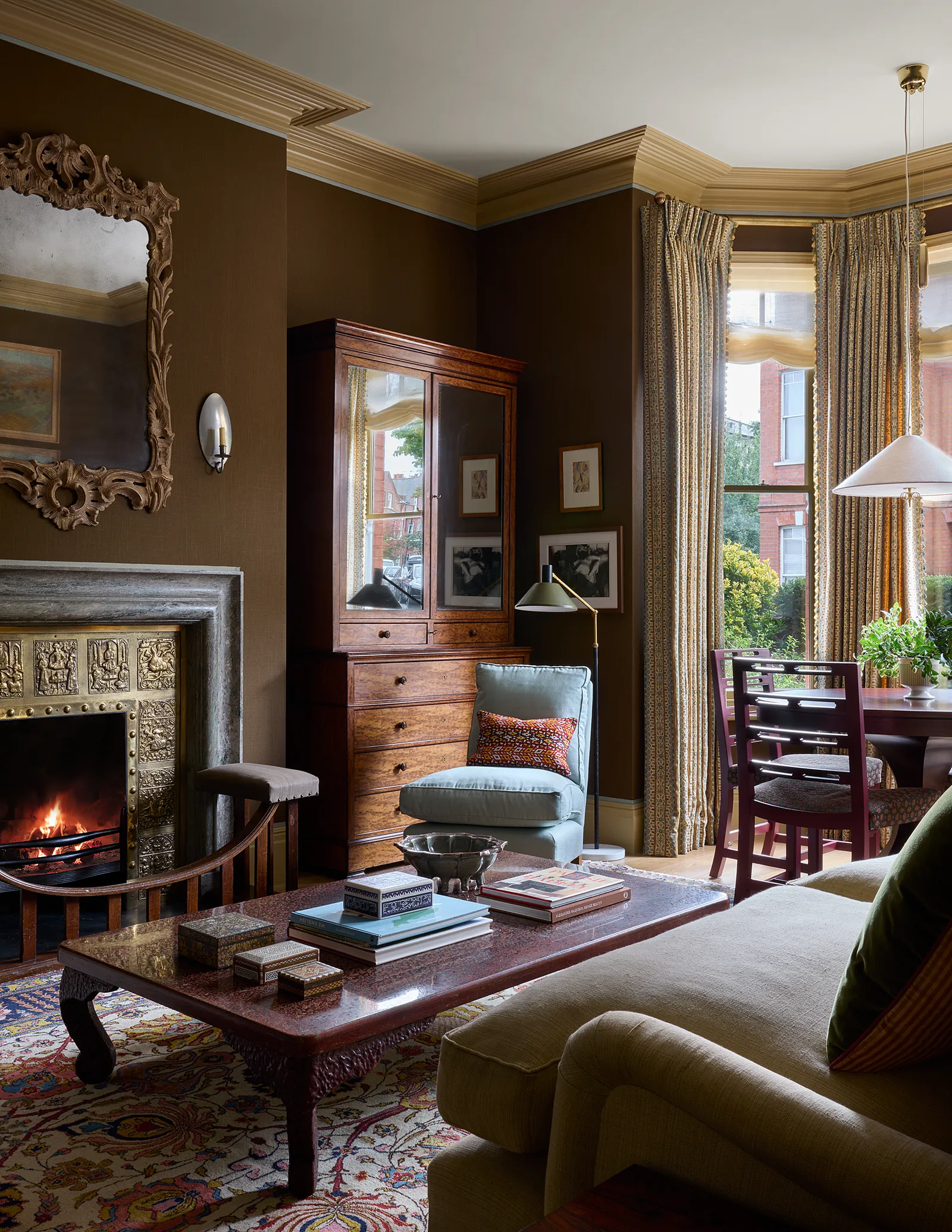
As an American, it's new to me to live like this. This is also quite different from our previous home, where everything was new, carefully designed and in perfect condition. In that apartment, I was constantly worried about the muddy dogs, what the detergent was used for, and the scratches that constantly appeared on the surfaces intended for mirror smoothing. Honestly, it was exhausting. Now that I live in a house that could be generously called worn, I realize that life can be much simpler if we stop fighting imperfection and start living with it. Attractiveness is clear. Which raises the obvious question: How worn is worn? And even more difficult, what about the chic part?
I take a risk: There's no such thing as being too worn out. But the more worn a home is, the harder it is for its inhabitants to work to find its chic. Because it is not an easy task to turn something worn and ragged into a really beautiful composition. Delayed maintenance leads to neglect. And over time, neglect ends in a decayed state. The whole point of the game is when to intervene. That's the difference between a chic home and a, well, a little shitty home. The problem is that there are no rules. There's no way to be sure you're letting something go wrong or taking the necessary steps to prevent it. But if you're struggling with this topic, I think you should ask yourself three questions.
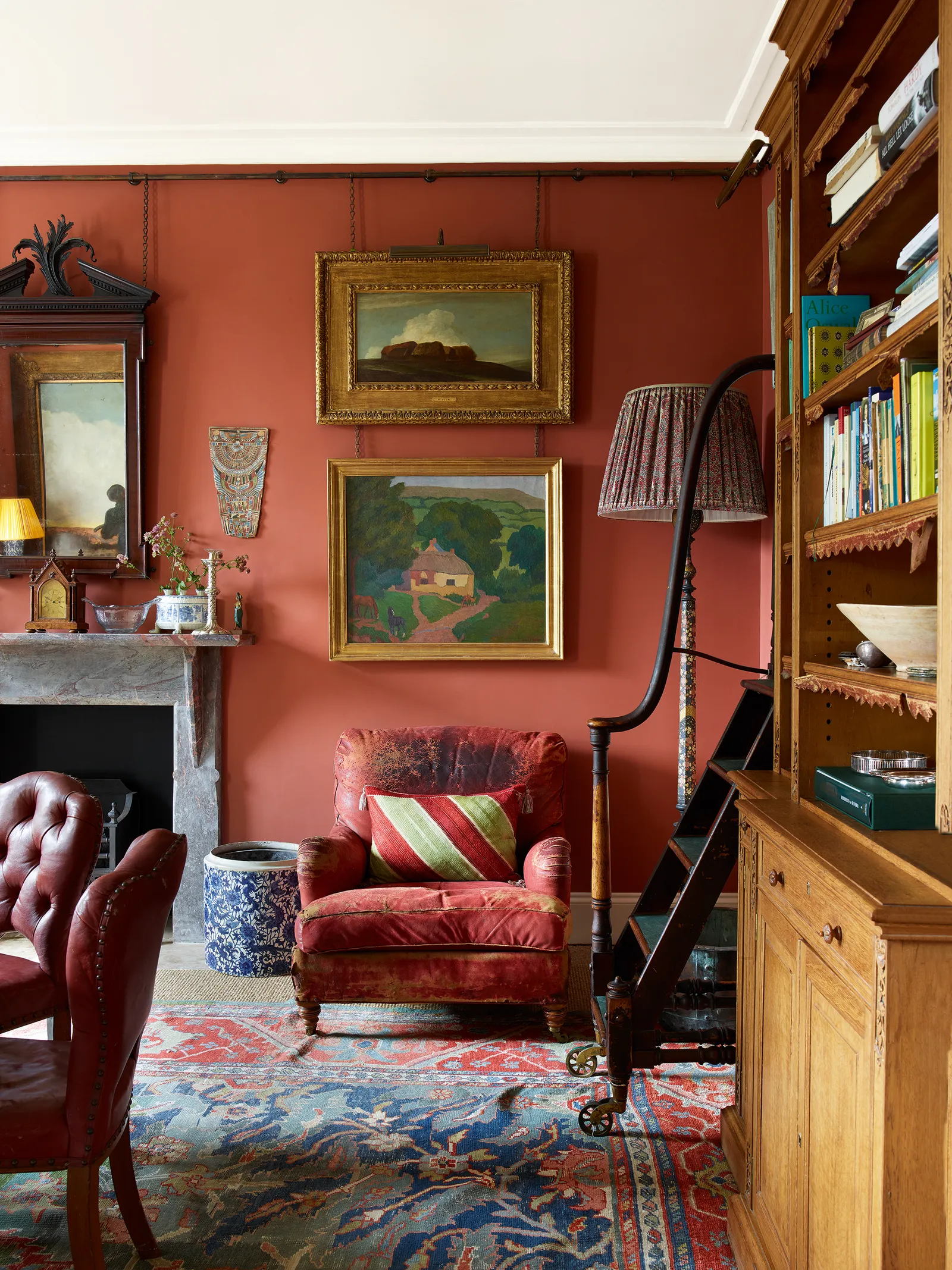
The first is about function. Take, for example, an armchair. The slightly worn upholstery is fine. This is already on the way to a chic style. Mild staining of the material is also acceptable, especially if there are children or animals. However, the tears and holes in the upholstery extend into a dangerous area. It is not chic for a guest to assess the size of an armchair and immediately look for another place to sit. At this point, the chair does not fulfill its purpose well. And when a leg breaks or a spring jumps over the seat, there is no room for discussion. It's not a glamorous patina. It's a broken chair.
The second is about order and cleanliness. There is a minimum requirement for an interior to look elegant. It's not a hard rule, it's just a feeling. We strive for balance. There are some things that should always be relatively clear: bathrooms, everything where food is prepared. But the rest will happily fit in between. A little messy, a little unwashed, but never really unpleasant. The task is to step out of ourselves and look at our home as a visitor. If you see the Grey Gardens, ,, things have gone too far.
The third is about quality. And that's what works the hardest. A room is full of really good things, real antiques, real handicrafts and fascinating works of art, and it retains its dignity even when the curtains are faded and slackened and the paint rolls off the walls. But if we fill the same room with clothes that can be bought in junk, the magic will break. So buy the best you can, even if it's old and worn out, and practice your eyes to recognize quality instead of being content with what it does. Because there's plenty of room for quality when it wears out. And less rubbish.
This does not mean that quality is an essential ingredient; Collections don't have to be expensive to be beautiful. What matters, however, is the attention paid to them and their impact on the room. We love interiors that are filled with treasures collected during a lifetime. But if a room starts to look too crowded and dusty, it quickly becomes repulsive. Volume is not necessarily the problem, but the care with which they are displayed.
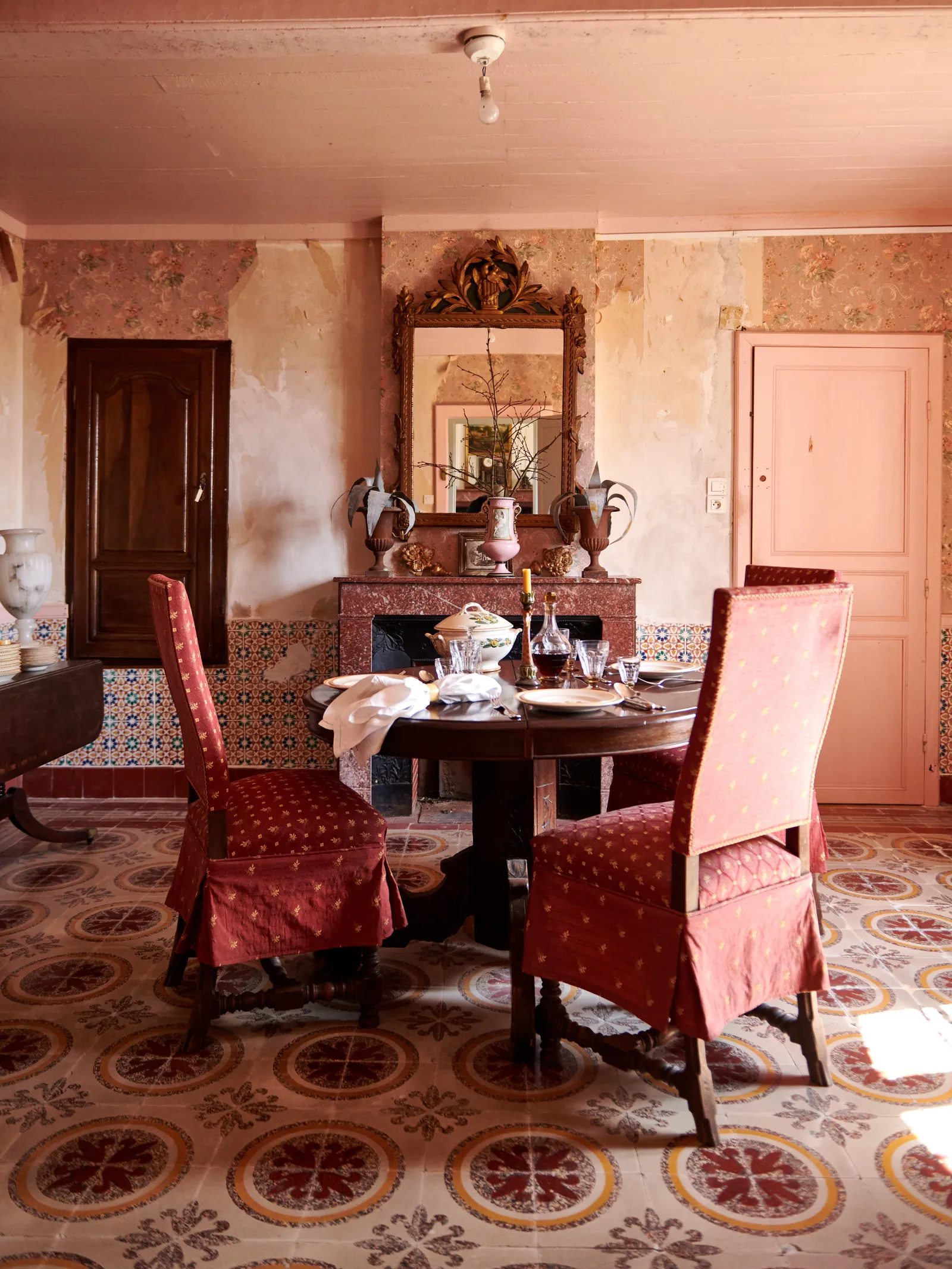
And I think that's the whole point. The real line between worn and chic is not drawn by objects or the house. Intention pulls it. My friends' house didn't fall over the edge because the carpets were frayed. He fell on the edge because they had already left, in every way, long before the moving cars arrived. ‘Cheap’ never consisted of wear and tear. In the care. So, regardless of your circumstances, if you find it difficult to find the line between worn and chic, just keep taking care of it, keep ordering it, fix it. And let the parts of your house that you can't repair for any reason be a characteristic addition to an otherwise well-maintained and beloved home.


