

Blog, DESIGN, Press release
The 19th has begun. Budapest Design Week
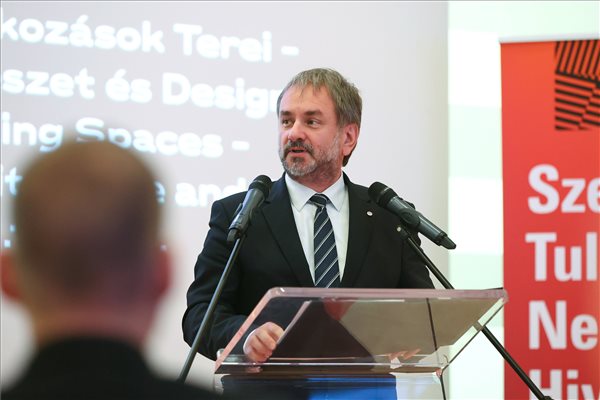
Budapest, 6 October 2022 Gyula Pomázi, President of the Hungarian Intellectual Property Office and President of the Hungarian Design Council, at the press opening and press conference of Budapest Design Week (BDW) at the Museum of Ethnography on 6 October 2022. In addition to the Museum of Ethnography, which hosts the central exhibition and several programs, there are about 150 programs in Budapest and several rural cities. This year's BDW theme focuses on the cooperation between architecture and design.
The 19th began on Thursday. Budapest Design Week (BDW). In addition to the Museum of Ethnography, which hosts the central exhibition and several programs, there are about 150 programs in Budapest and several rural cities.
“Design has never been as important as it is today, because it is a language that we can use for communication between people and cultures,” said Gyula Pomázi, President of the Hungarian Intellectual Property Office and President of the Hungarian Design Council, at the opening event of the festival.
As he said, thinking about design, the logic of design, and awareness-raising based on it are the property of more and more companies in Hungary. He added: This can improve competitiveness, create social value and create an individual's experience.
“For Hungarian companies to be able to compete on international markets, they need patented technologies and branding is essential. Design plays a key role in both. It is important for Hungarian companies to recognise that not only innovative products but also design are important for their success", said László Bódis, Deputy State Secretary for Innovation at the Ministry of Culture and Innovation.
Anita Forintos-Szűcs, Deputy CEO of the Hungarian Fashion & Design Agency spoke about the 360 Design Budapest exhibition, where she exhibits the designs of 31 Hungarian and about ten regional designers. “This year we will showcase the products by linking the traditions of the past, present and future”.
Lajos Kemecsi, Director General of the Museum of Ethnography, said that after "one hundred and fifty years of wandering", his institution, which had found its home in a fantastic new building, was a worthy venue for Budapest Design Week.
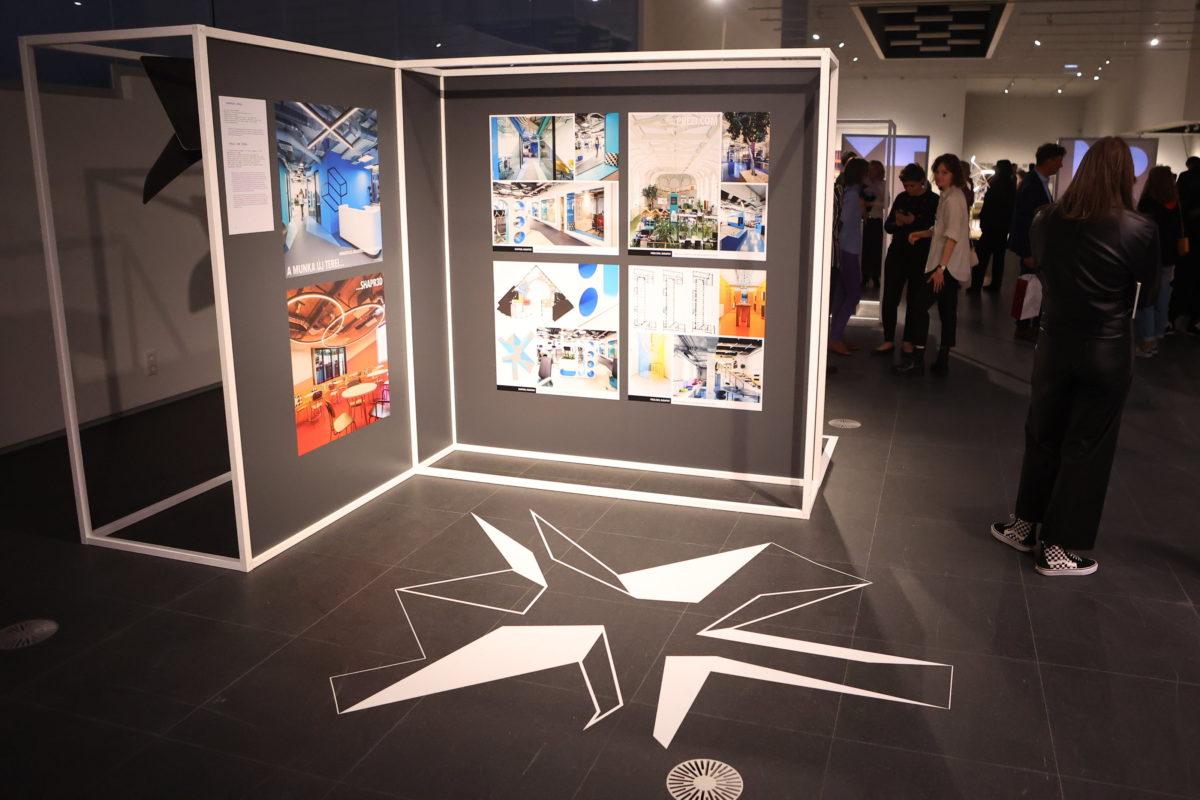
The BDW, which lasts until 16 October, is an umbrella festival, this year's theme focuses on the cooperation of architecture and design, the title of the central exhibition is: Meeting spaces – architecture and design.
Architect Ferenc Sebestény, curator of BDW emphasized: several museums, public institutions, public buildings, residential buildings and a church, which are in some way the scene of personal or community encounters, will be presented at the exhibition. The starting point is the building of the innovative and inspiring Museum of Ethnography, and the last one is the Algyógy Round Chapel, the oldest building in Transylvania.
In addition to the central exhibition, there will be a professional conference in the Museum of Ethnography, during the festival five architectural offices and five architectural design studios will be introduced, and there will be family and children's programs. Other venues in Budapest include the House of Hungarian Music, the MOME and the Kiscell Museum, as well as related programs in Sopron, Szombathely and Pécs.
The winners of the Hungarian Design Award and the Design Management Award were announced at the opening event of BDW.
The most prestigious Hungarian design award, the Hungarian Design Award, was awarded for the 43rd time this year by the Hungarian Design Council, financed by the Ministry of Culture and Innovation, based on the decision of an 11-member jury.
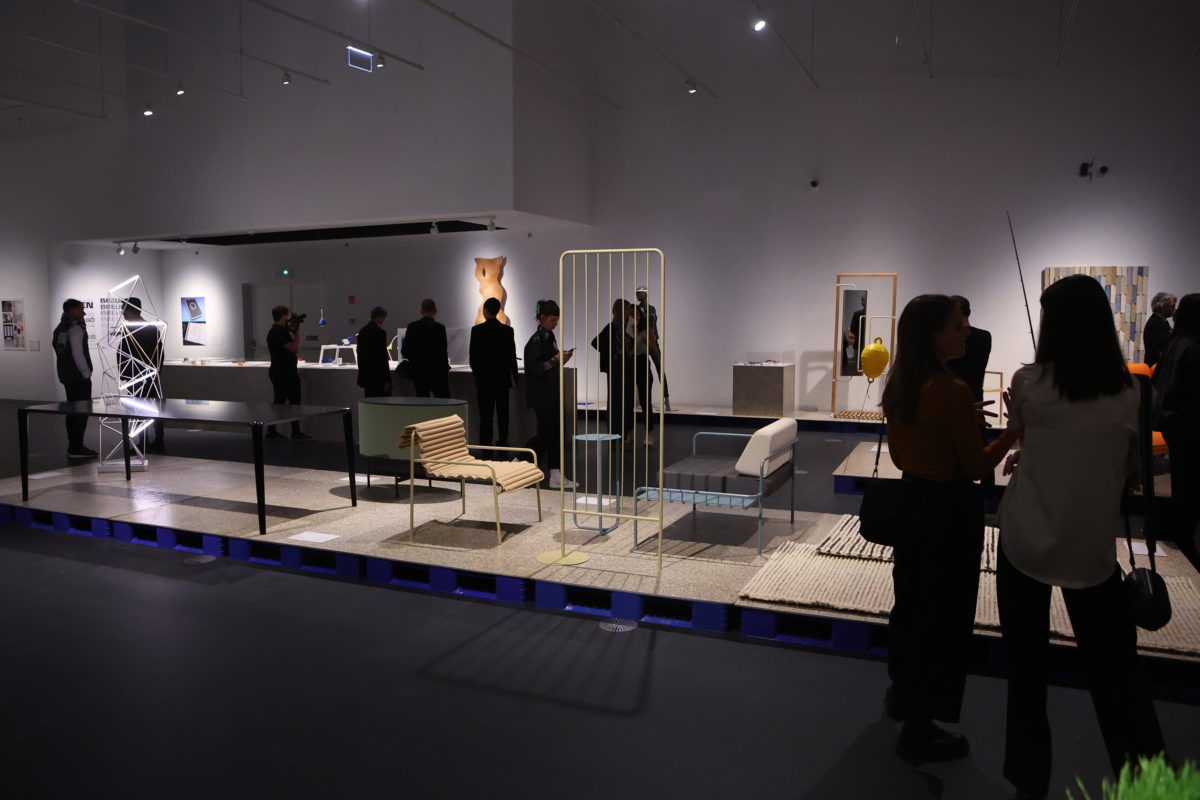
The advertised product category was won by Nieto Ramón Catmagnet's special magnetic release device for fishing and Ferenc Laufer's collection of relief stove tiles. Remion Design Ltd. received the design category award for its compact dual channel EEG and skin resistance measuring device called Head Link. The Fortepan Masters volume, the works of Róza Tekla Szilágyi, Szabolcs Barakonyi, Péter Salát Zalán and György Simó won in the visual communication category, which are based on the Fortepan unique private photo archive. Oszkár Boskovitz's Kadarka family of letters also won, which belongs to the opentype bread letters. The student category was won by Berta Zsófia Ujváry's (MOME) Hommage to Rudolf Ujvary, a collection of woven materials in which the artist used the buildings designed by her grandfather as a source of inspiration.
Special prizes were awarded to Annabella Dedas Hevesi's public seating collection, Katalin Pataki Talky's toy therapy device, Zsófia Zsuzsanna Sinkovits' Geoform collection, Marcell Égi's If Jewel jewellery brand, and Péter Lelkes, Zsolt Papp, Zoltán Bálint, Balázs Vigh and Péter Hory's joint work, the IP-based audio-video conference device with Full-HD touch screen.
The Design Management Award was awarded to István Mórucz's small business, Panyolium, with its value-creating identity and sensitivity to form. Co & Co Designcommunication Kft. The KULTIKUM contemporary art scene in Budafok and Vates, the clothing brand of Péter Csányi and Bence Bárány with their own graphics and promoting literature received special excellence awards and recognition.
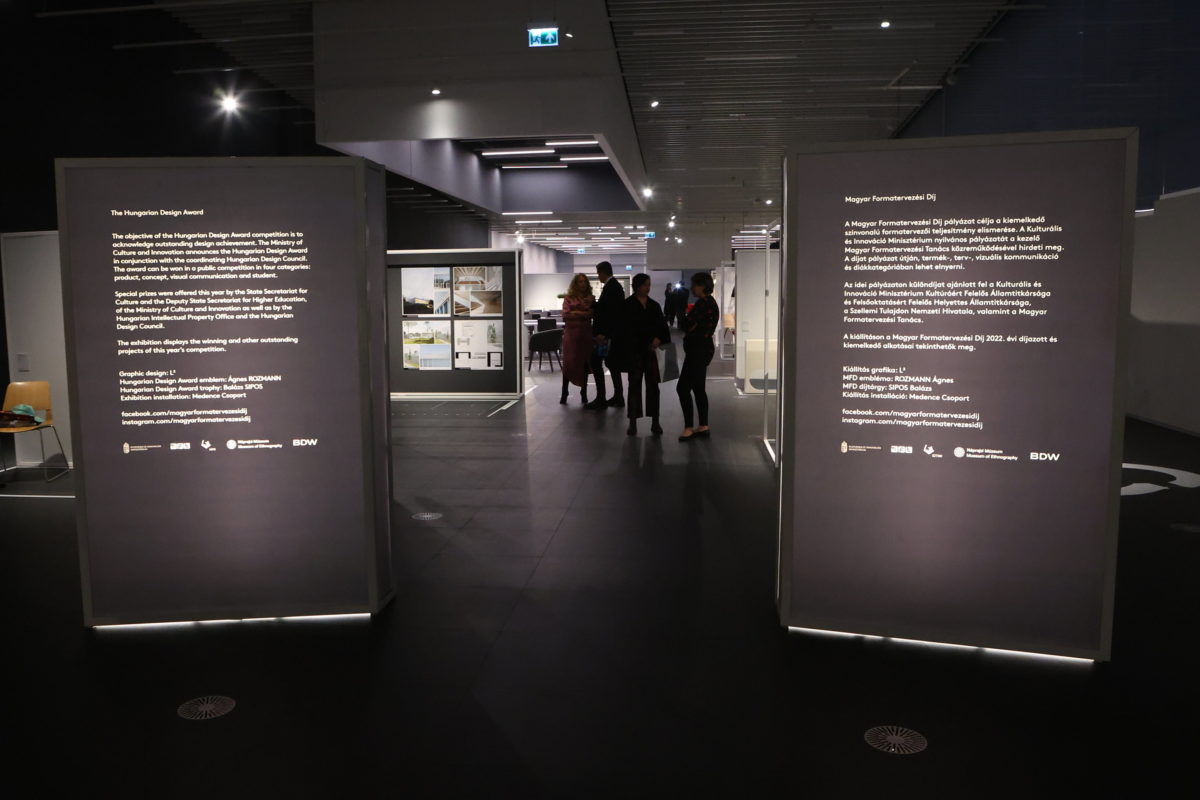
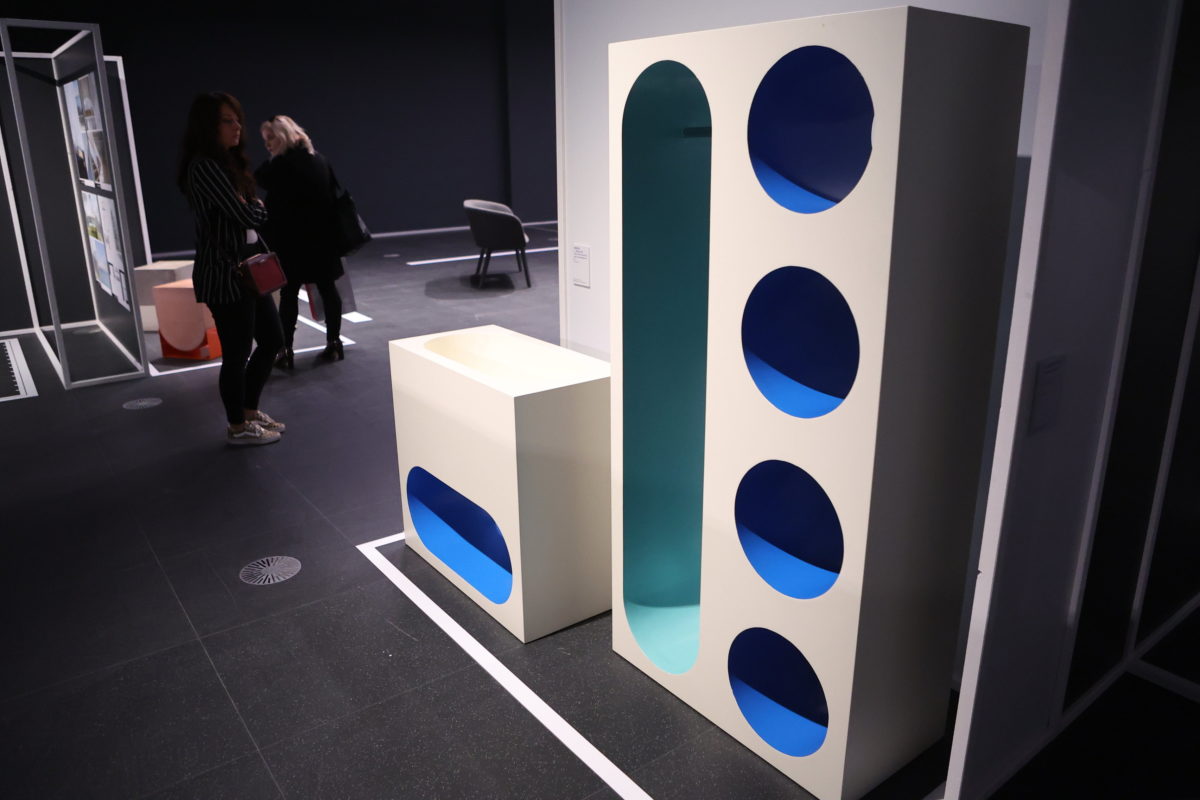
The works of the winners can also be viewed at the Museum of Ethnography within the framework of the BDW.
Budapest Design Week is organised by the Hungarian Design Council, financed by the Hungarian Intellectual Property Office.