

DESIGN, Blog, Press release
Meaningful forms
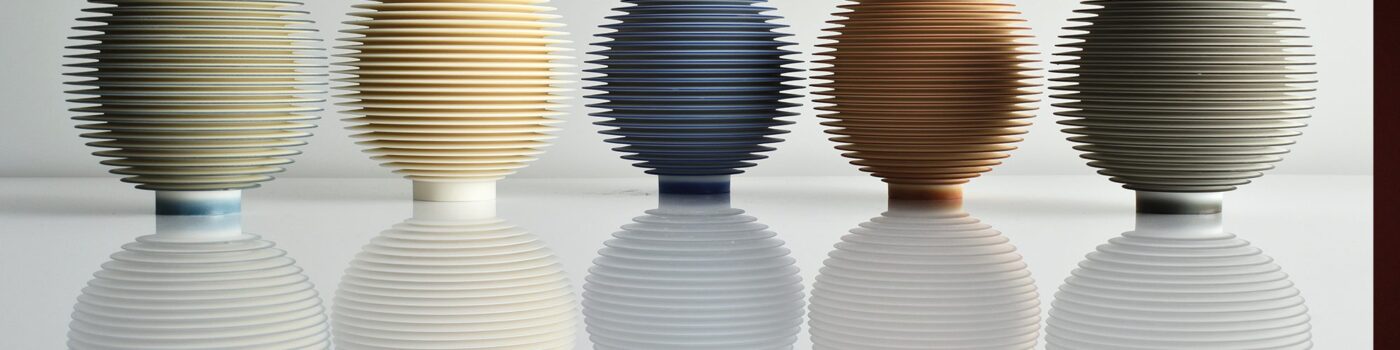
Nicholas Lees spent decades refining research-led processes to create dynamic and innovative sculptures. Annie Le Santo talked to him to find out more.
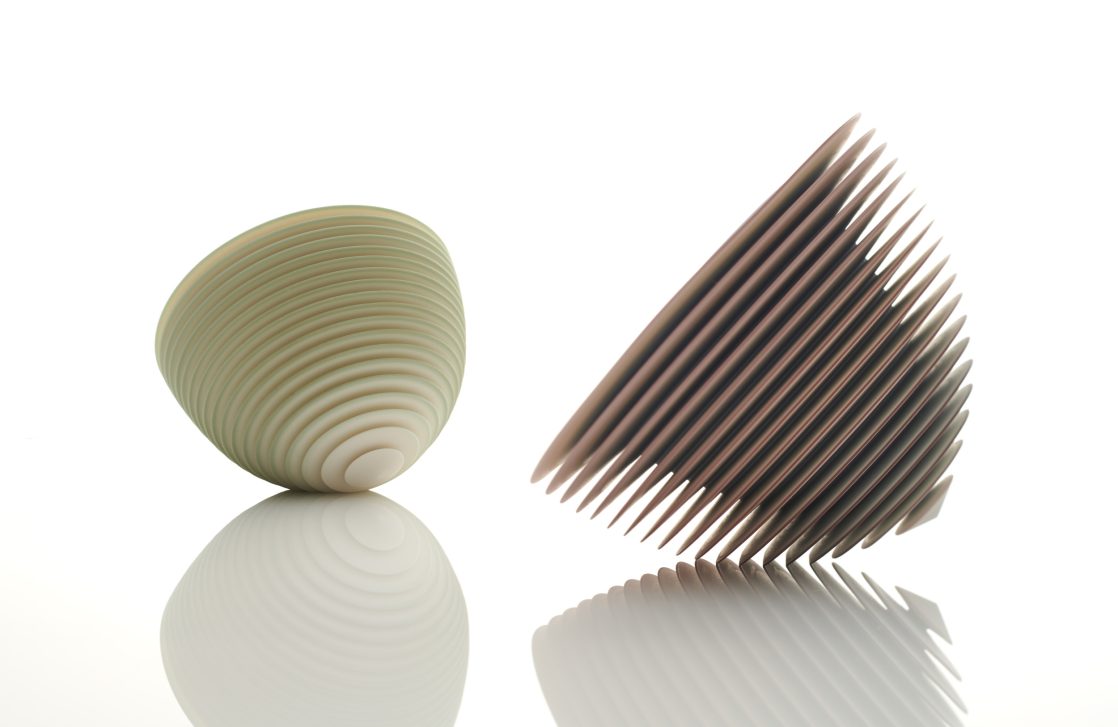
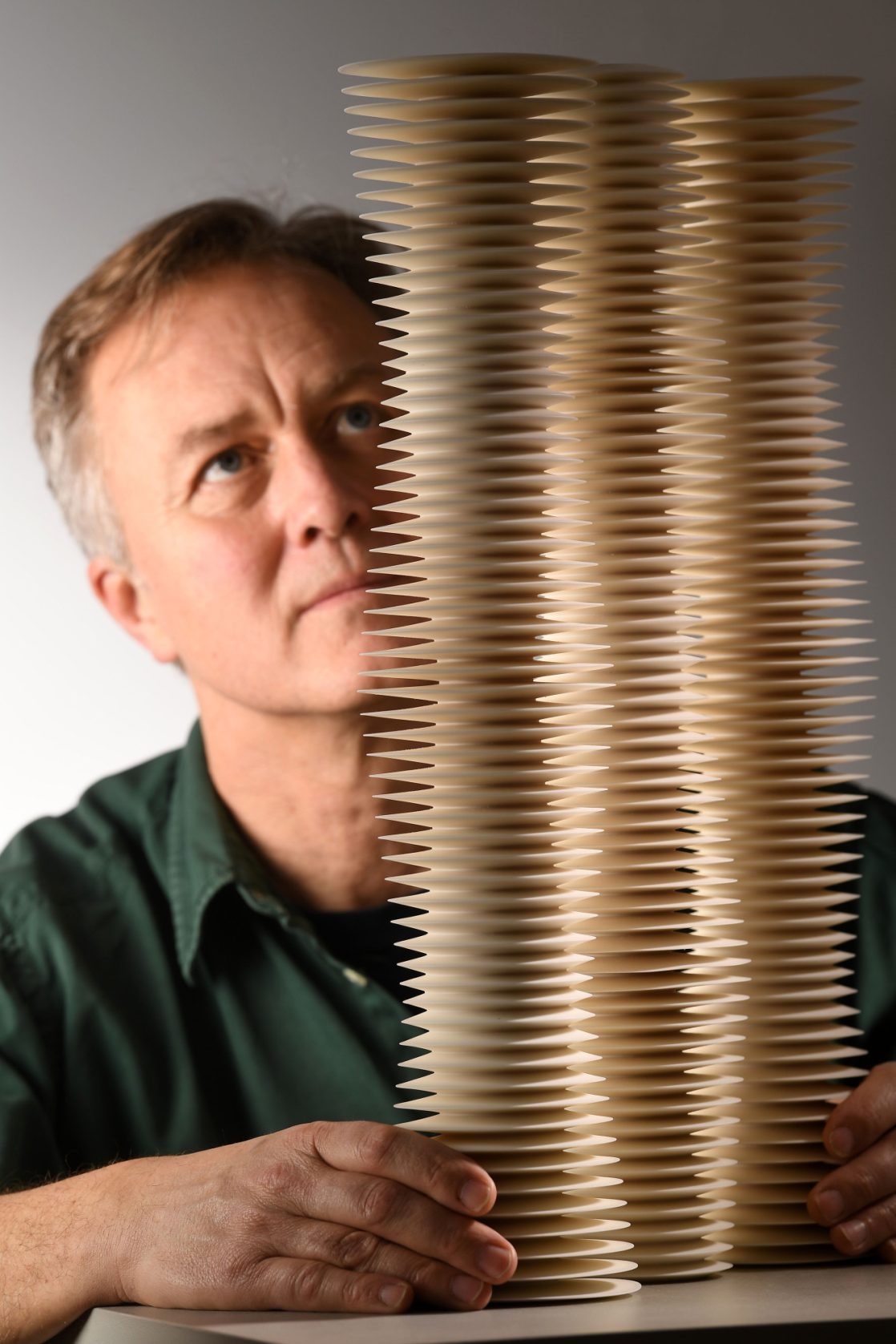
When you first approach the statues of Nicholas Lees, you may think that you are actually looking at animated objects. Are they rotating on a turntable or are they made of moving parts? That's the magic of Lees' work. With its careful construction and intelligent use of materials, it captivates your gaze, creating lifeless forms that come alive, throb, or breathe as you move around them.
His sophisticated practice combines years of intensive learning, teaching and experimentation. However, making ceramics was not his childhood dream, which was obvious to him. He was born into a family of doctors in a hampshire village and was initially not encouraged to pursue a creative career. “I remember having a distant and vague feeling that I wanted to do things,” he says. – But that was not a particularly strong urge at the time.
CERAMIC BREAKDOWN
Lees first encountered clay when he was a teenager, when a local maker approached him during the summer break and asked him to model some of the figurative busts they had made. Later, at school, he took art as a fourth subject on Level, where his teacher was ceramist Stephen Murfitt. ‘Stephen showed me Raku firing and showed me Hans Coper’s work,’ he explains. – These two things captured me.
In college, Lees became passionate about ceramics, but his parents had reservations. Agreed: He first studied English and History at Kent University. If he wanted to continue his creative passion after graduation, his parents agreed to support his education in ceramics. In 1989, after graduating in English and History, Lees insisted on his decision, and his parents fulfilled their promise and enrolled in a BA ceramics course at Bristol University of Technology.
“He was very generous to my parents, but in Bristol I felt like a fish from the water, coming from such a different academic background and not having an Art Foundation degree,” he admits. “However, I was lucky that Walter Keeler taught me how to throw. He is a genius and has passed on a lot of ceramic knowledge, as well as his specific way of thinking about ‘pot-making’.
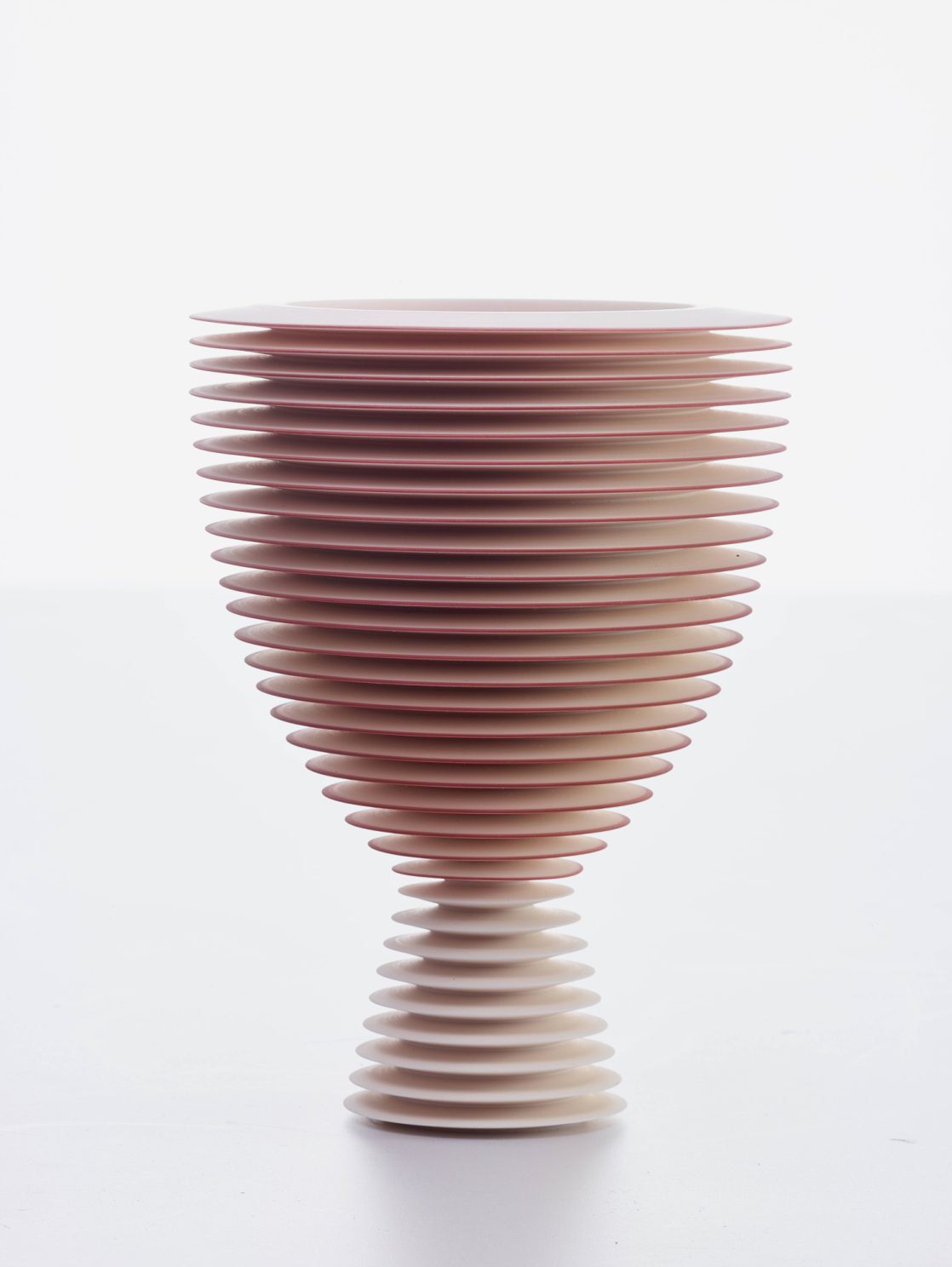
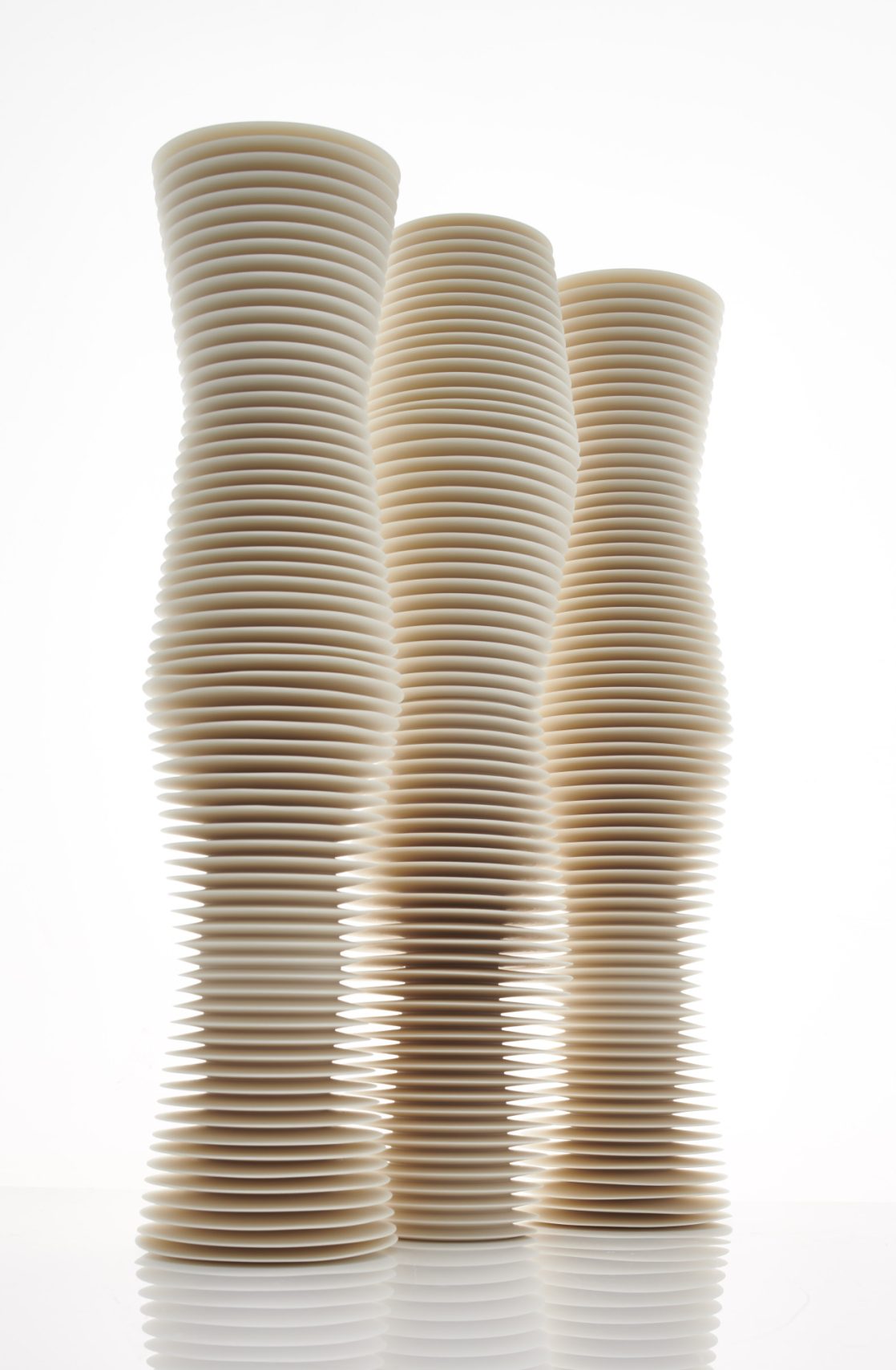
Despite the fact that this approach to studio ceramics is fundamental to Lees' degree, he no longer identifies with it today. Since he chose to describe himself as a ‘sculptor’, he considers clay to be his medium rather than his profession. ‘One of the curiosities of ceramics is the breadth of practice, which includes design, crafts, media, sculpture, fine arts, whatever you call it,’ he explains. “I am interested in everything, but I consider ceramics to be my material next to the drawing. I am fascinated primarily by the role of materiality and processes in relation to ideas and concepts.
In Bristol, Lees focused on making dishes by hand winding, then later learned sliding casting and worked part-time as an auxiliary caster. But to the one who always wants to ask why? “I think I have always been a person who questioned the reasons behind things,” he says. “Somehow I was engaged in a process or two, and it was more austerity than liberation at the time. I wanted to expand and explore the wider ways of form generation.
To satisfy this urge, he later obtained a master's degree in ceramics at Cardiff. There, Lees discovered himself in a close community of peers and in an environment that encourages experimentation and mutual learning. ‘I came out of this stage after I had completely moved away from pot-making and instead worked with the hybrid method of sliding casting, carving and building,’ he explains. – And this work later evolved into work thrown and turned by a lathe, of which I am probably the best known.
ELEMENT OF VIEW
Today, Lees' ceramics are incredibly sophisticated and precise, yet expressive. Their structure is rooted in their unwavering commitment to thoroughly questioning their materials and processes about the environment around them. ‘The cross-sections are a common thread in my work,’ he says. ‘I am interested in positive and negative space, the boundaries of the pieces of space, and the dialogue between surface and form.’
All these aspects are fundamental to Lees' practice, but under the conceptual elements they focus on triggering surprise. ‘I always try to surprise myself and find new ways to see the world,’ he explains.
Most of his work is a significant investment of time. Beyond the structure of the pieces themselves, the depth of thought is also remarkable. In 2010, he deepened his practice by participating in a ‘MPhil Through Project’ at the Royal College of Art. “I worked and studied in the academy for a long time, which significantly influenced my way of working,” Lees explains. “The rigorous method of asking the question and the research-led processes help us find the answer – it takes us to surprising places and discovers new ways to make things.”
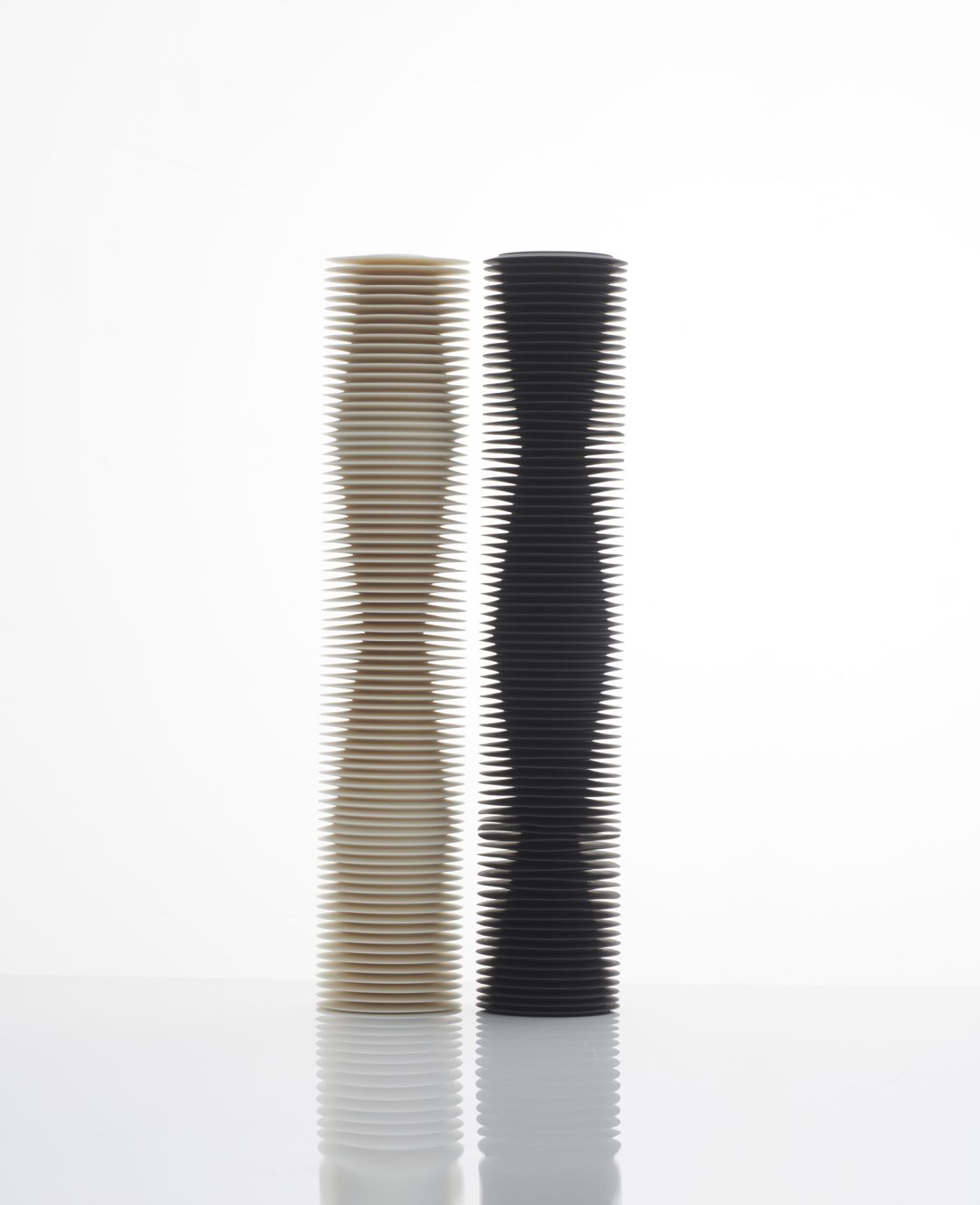
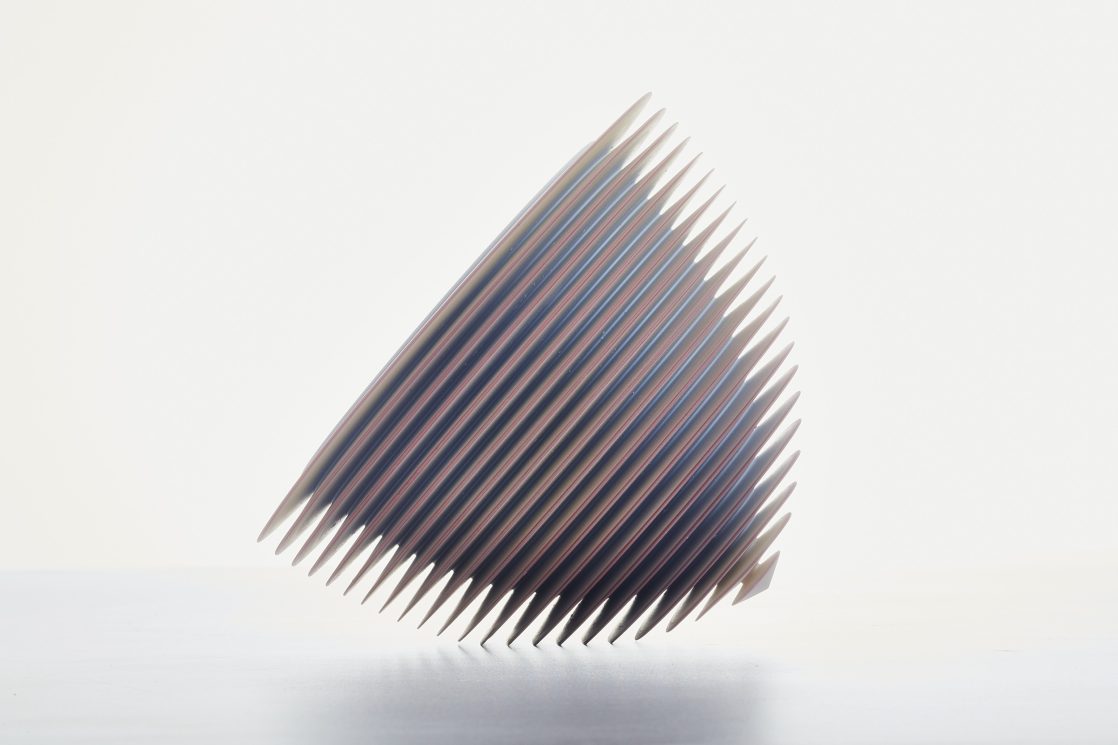
Lees introduced a distinctive method of coloring the fine edges of his sculptures. Does not involve traditional slips, stains or glaze; Instead, it uses unique chemical reaction strategies that are unusual in ceramics. ‘I basically use solutions of metal salts. This is a saturation and evaporation process", he said.
Not only is the chemistry fascinating, but the illusion of movement in Lees' work is truly extraordinary and one that must be experienced personally in order to be fully appreciated. The sliced edges of the sculptures create the illusion that they move within the space, expand and withdraw depending on the angle from which they are viewed. ‘I try to create an aura around my forms, as if they were breathing,’ he says. “I have been doing this work for 10 or 12 years and I am still surprised by what I see. In the studio, light can change, and the pieces look new in some way.
PERSONAL PRACTICE
After 25 years of teaching ceramics, Lees is teaching less and less to make more and more. He has won numerous awards and has exhibited his art all over the world. In his field of expertise he stands firm and his work is praised by institutions and collectors alike. Despite its results, it does not plan to slow down anytime soon. Its objectives are clear: continue to create and pursue the element of surprise that you desire. His enthusiasm for exploring every aspect of his practice, the meticulous construction of each piece in the hope of discovering something new, reflects a deep passion.
This commitment extends to the exploration of new materials and the expansion of the relationship between his drawings and sculptures. Lees' achievements throughout his career and the impressive visual impact of his work undeniably confirmed his commitment and interest in ceramics, which he enthusiastically maintained even after his first degree. “I am incredibly grateful to make a living from what I love,” he admits. ‘Even if I didn’t have to, that’s how I would always choose my time.’
For more information, please visit the nicholaslees.com sideways
Pictures: courtesy of the artist; Sylvain Deleu; Jon Furley; Russell Sach