


Blog, DESIGN, Press release
The exhibition of Attila F. Kovács designer opens on 7 September in the Kieselbach Gallery
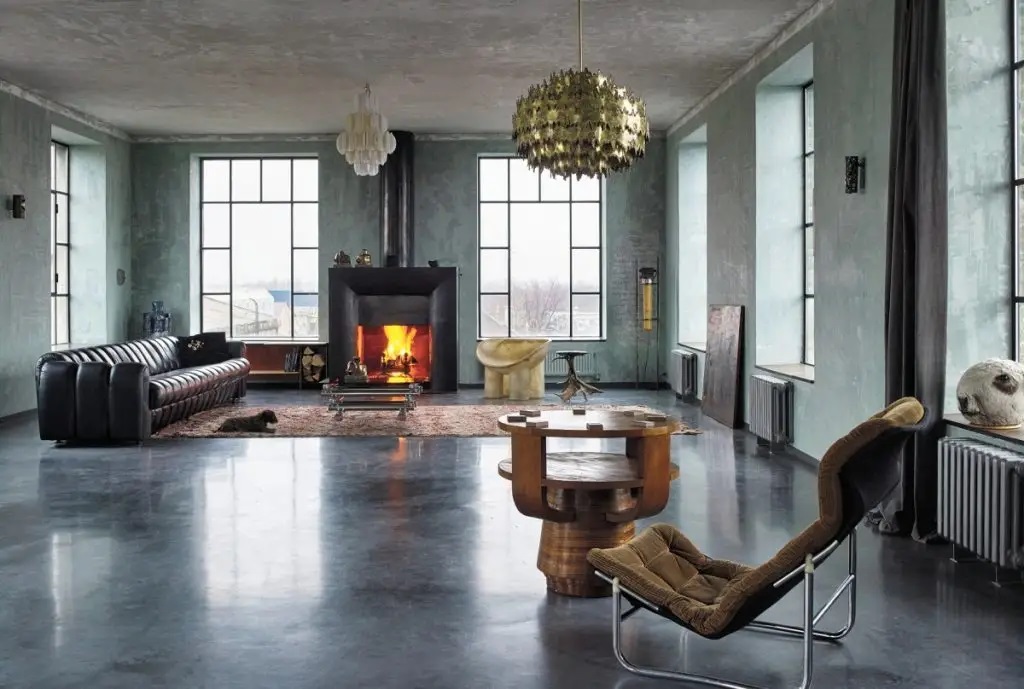
Attila F. Kovács: A+Zloft apartment with Bori dog, interior design, 2019. Photo: Csaba Barbay
The comprehensive exhibition of Kossuth Prize-winning designer Attila F. Kovács will open on 7 September in the Kieselbach Gallery, and the book on the designer’s oeuvre will also be presented at the opening of the exhibition, the organisers told MTI on Friday.
Attila F. Kovács, i.e. AttilaFK, is a versatile, creative designer who has created enduring works of art in Hungary and internationally since the 1970s. He began his career as an architect, studying with Imre Makovecz, but gained fame in the 1980s by designing film sets, including Psyché, directed by Gábor Bódy. During his decades as a set designer, he worked with directors such as Pál Sándor, Ildikó Enyedi and István Szabó, among others.
At the time of the change of regime, he also became a successful artist, who exhibited at the Kunsthalle in Berlin, Seoul, Chicago and New York. From the 1990s onwards, his name became known as a designer, and he designed and exhibited internationally renowned concept design furniture collections in London with Zsuzsa Megyesi. In addition to interiors, restaurants and bars, he dreamed of creating historical museums such as the House of Terror or the House of Fates. He was awarded the Kossuth Prize in 2002.
The most characteristic features of his style include the dramatic overall effect, surprisingly unexpected use of space, industrial metal surfaces and the inclusion of relics. As a prolific artist, he has worked all over the world, from the operas in Turin and Vienna to the international film production of Bel Ami in London.
As an interior designer, he designed an iconic restaurant (Tom George), a luxury residential building (Castrum) and an office building (Market 6.0) as well as a private home, including the reconstruction of György Aczél's former Saint Stephen's residence in the park with a roof terrace.
The publication recalls that AttilaFK / art, architecture, design, a lifework book that not only reveals F. Kovács's diverse way of thinking as a designer, but also becomes part of his oeuvre as an artist book, presents his approach to mysticism and his characteristic way of expression across artistic branches.
The exhibition is open until 16 September in the Kieselbach Gallery, where guided tours start from 5 p.m. on Tuesdays and Thursdays.


